

How to Standardize Failure Modes: A Practical Guide for Better Reliability Data
Standardized failure modes turn inconsistent maintenance records into reliable data. Learn how to build clear, consistent failure mode libraries that improve reporting, failure analysis, and reliability decisions.
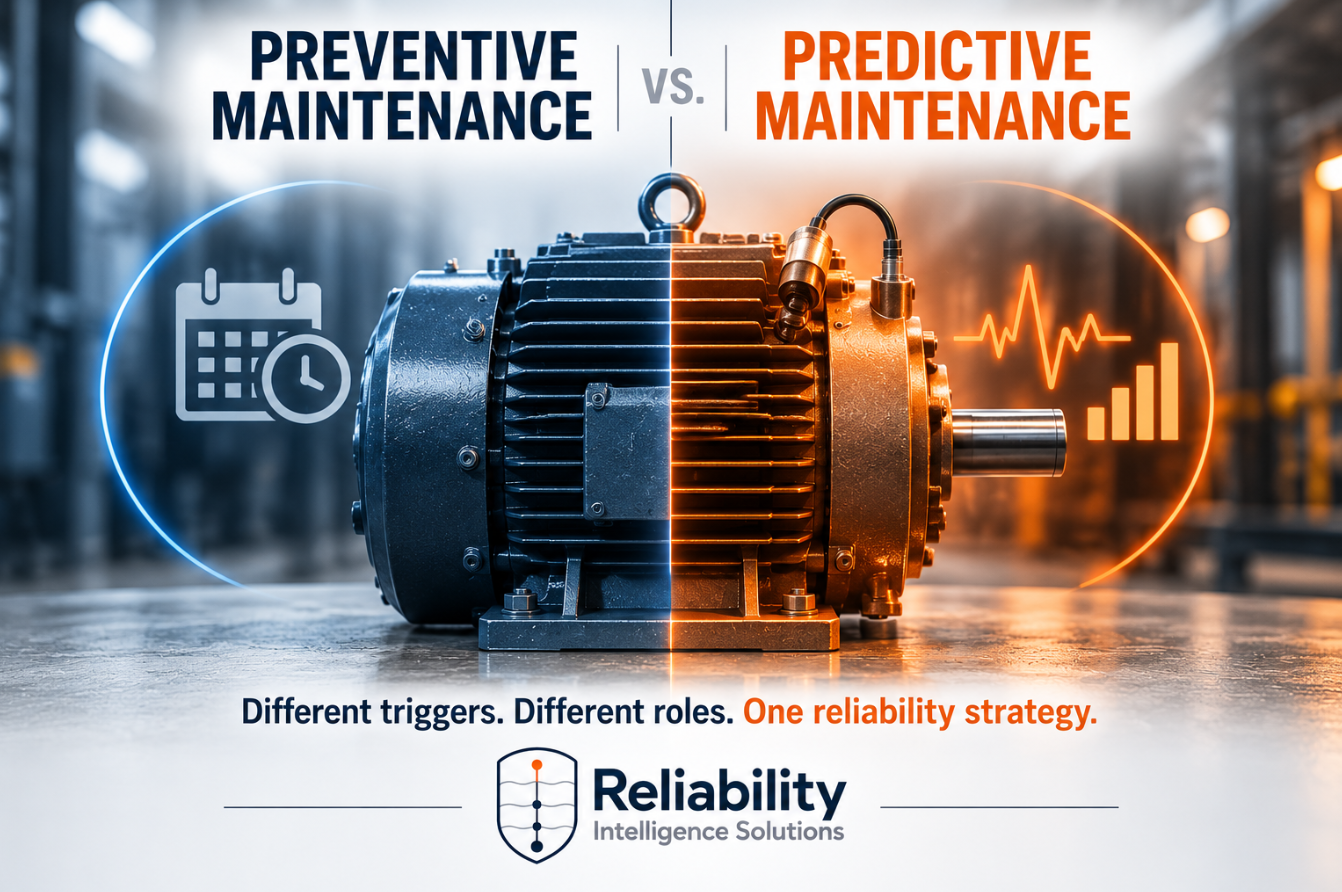
Preventive Maintenance vs. Predictive Maintenance: What’s the Difference?
Preventive and predictive maintenance are not competing strategies—they are different tools for managing equipment failure. Learn how each approach works, when each is appropriate, and why the right maintenance strategy should be based on how equipment actually fails.
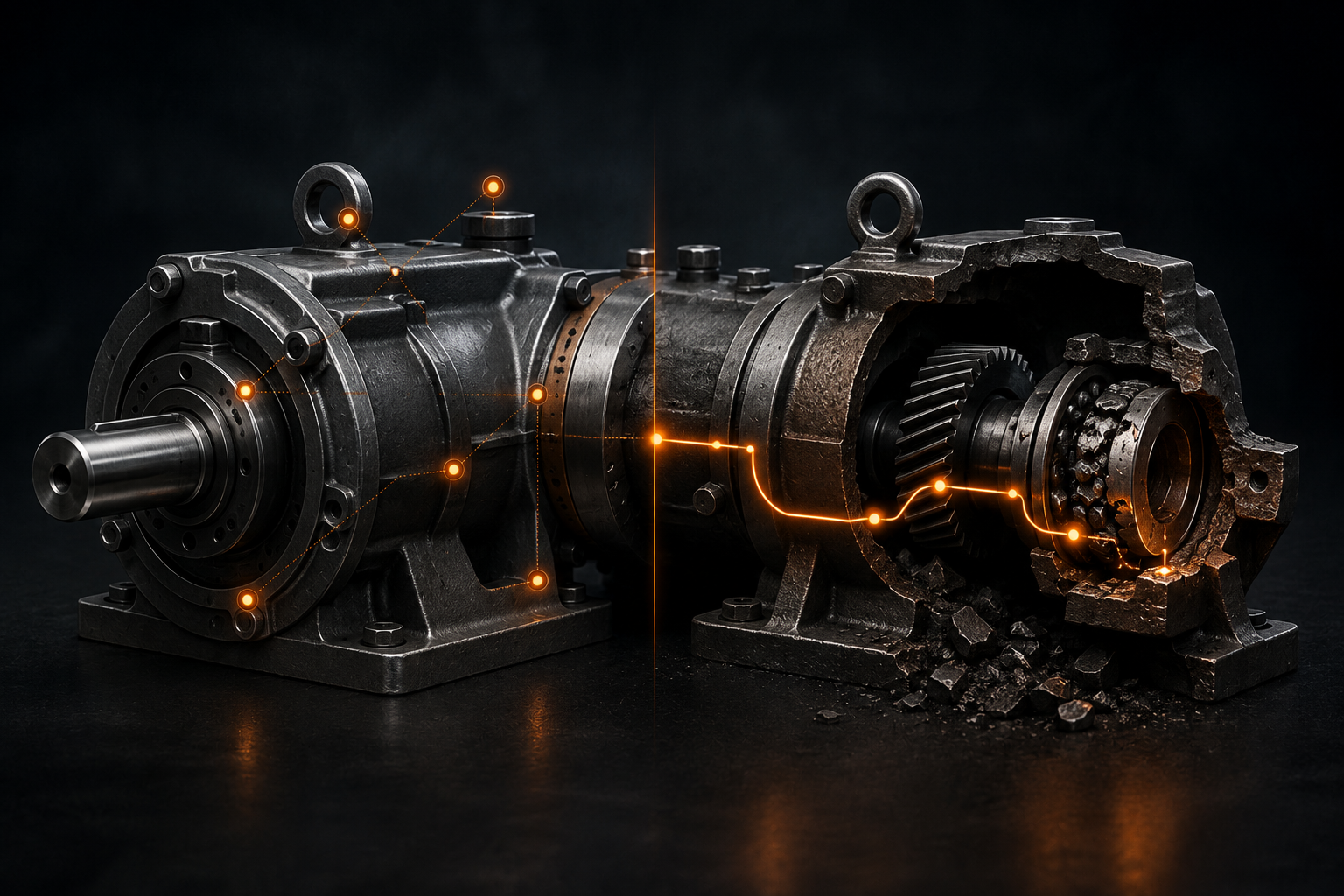
FMEA vs. RCFA: What’s the Difference and When Should You Use Each?
FMEA and RCFA are both powerful reliability tools, but they answer different questions. Learn when to use Failure Modes and Effects Analysis to anticipate potential failures, when to use Root Cause Failure Analysis to investigate actual failures, and how the two methods can work together to improve reliability.

How Standardized Downtime Data Improves Root Cause Analysis
Standardized downtime data gives root cause analysis a stronger starting point. Learn how consistent equipment hierarchies, observable behaviors, failed components, and failure modes reveal recurring patterns and help reliability teams focus investigations on the problems that matter most.
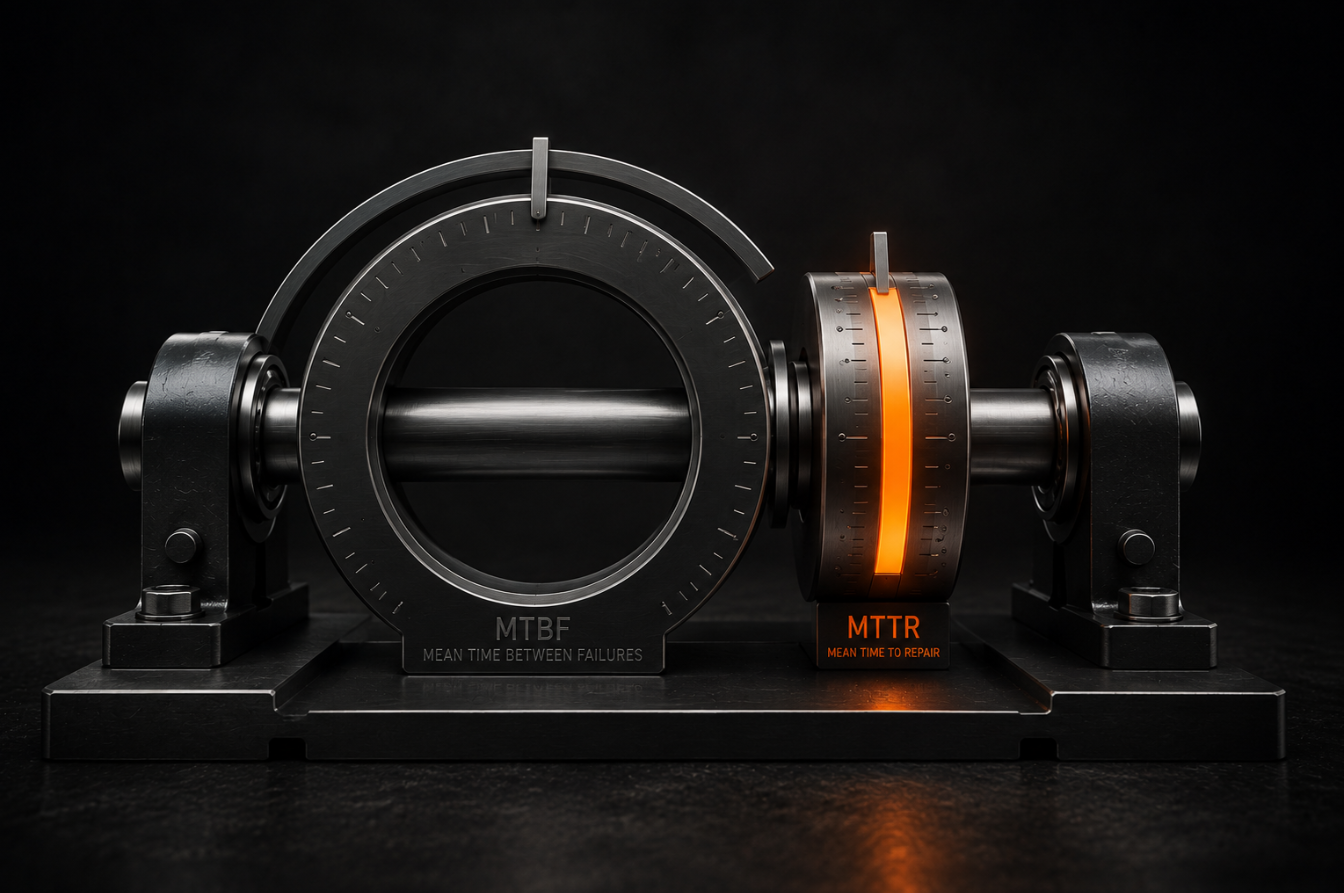
What Is MTBF? What Is MTTR? A Practical Guide for Reliability Engineers
MTBF and MTTR are two of the most widely used reliability metrics—but what do they actually tell you? Learn how Mean Time Between Failures and Mean Time to Repair are calculated, how they work together, and why standardized maintenance data is essential for making these metrics meaningful.

Downtime Reason Codes Explained: The Foundation of Meaningful Maintenance Data
Downtime reason codes are more than simple labels—they're the foundation of reliable maintenance data. Learn how standardized downtime codes improve CMMS reporting, reduce inconsistent data entry, and support better reliability analysis.

Observable Behaviors Explained: The Missing Link Between Downtime and Root Cause
Operators observe symptoms—not root causes. Learn what observable behaviors are, how they differ from failed components and failure modes, and why standardizing them leads to cleaner CMMS data and more reliable maintenance analysis.
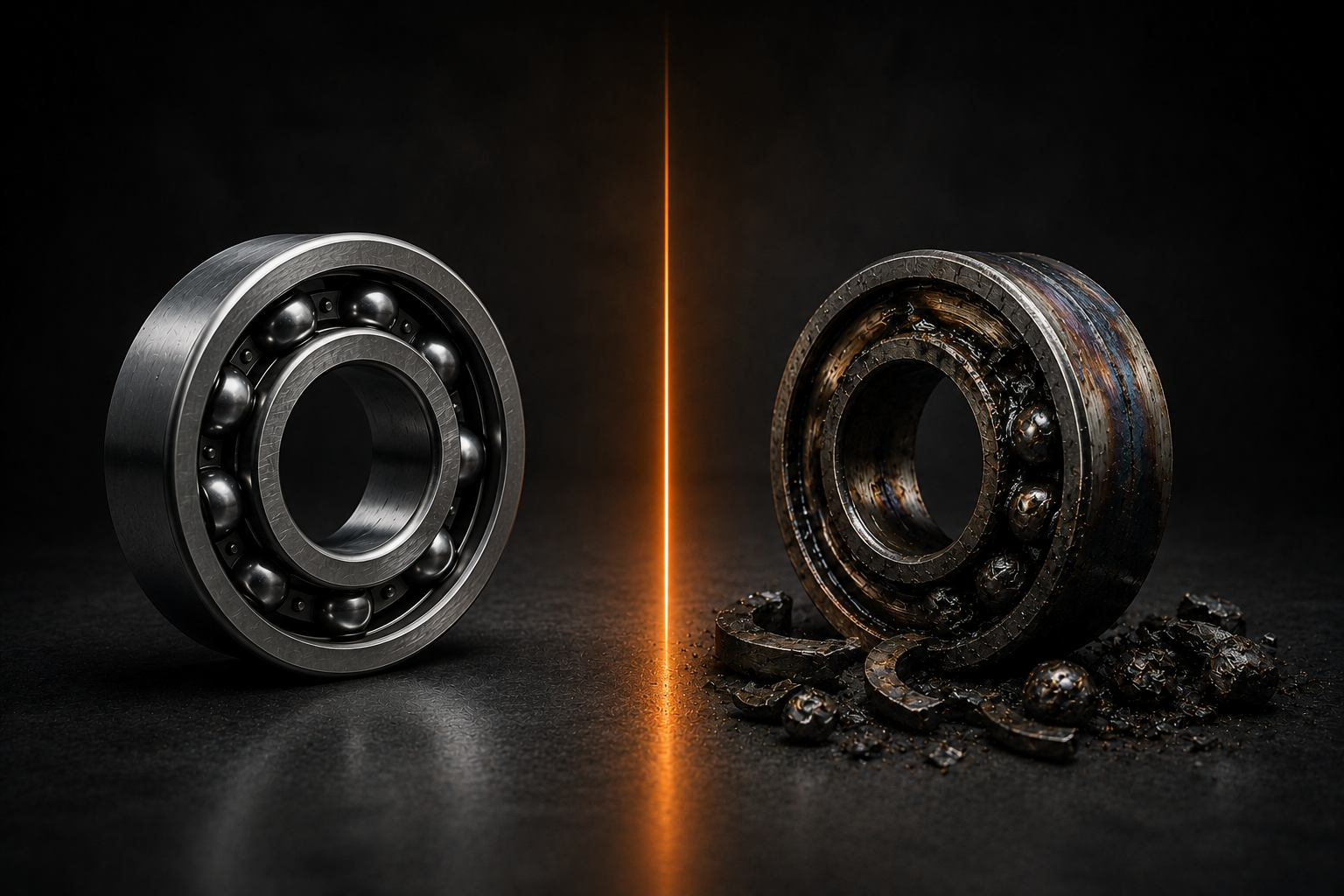
Failed Component vs. Failure Mode: Understanding the Difference
Understanding the difference between a failed component and a failure mode is essential for building accurate maintenance records. This guide explains how separating these concepts leads to cleaner CMMS data, improved root cause analysis, and more meaningful reliability reporting.
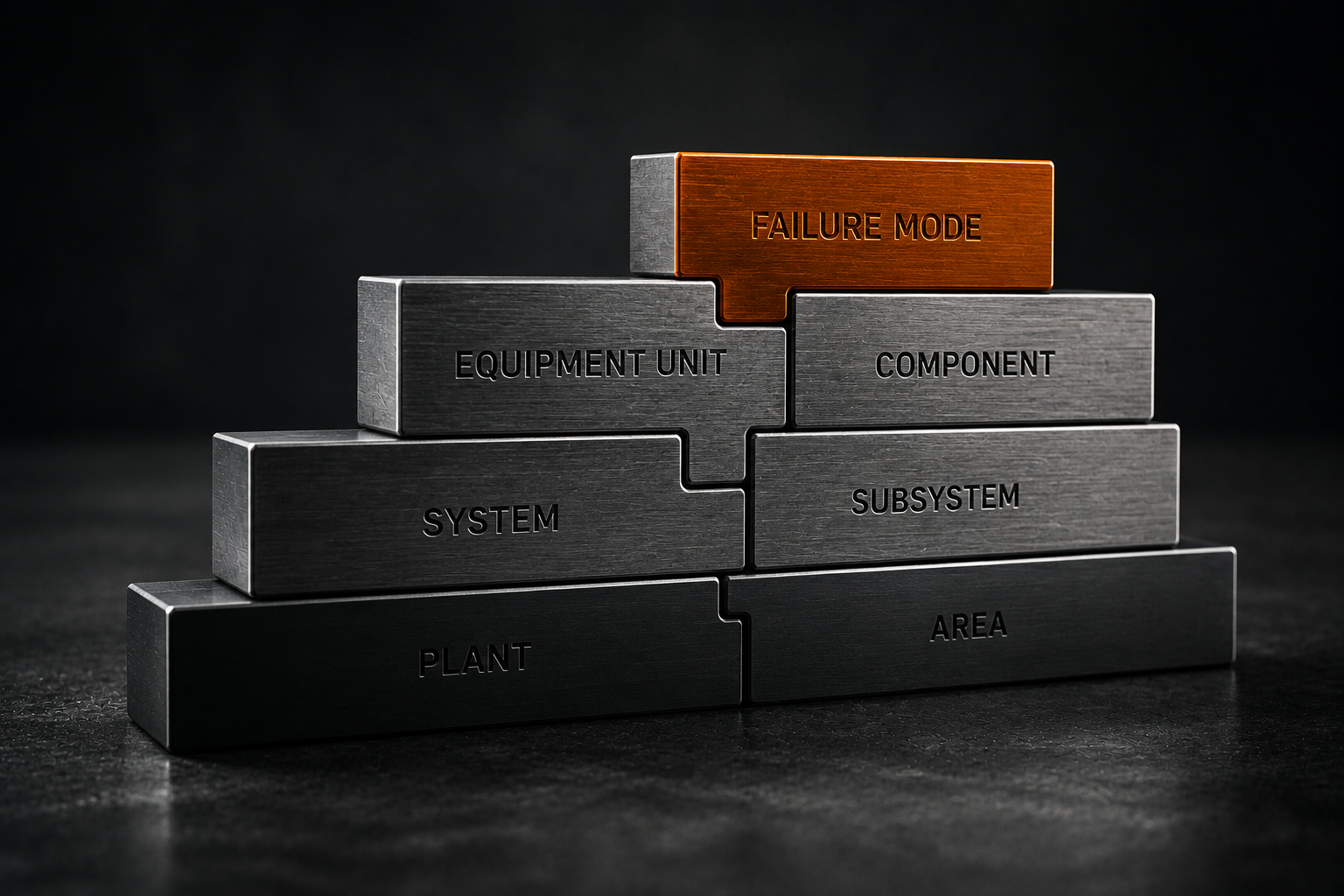
Equipment Taxonomy Explained: Why It Matters for Reliable Maintenance Data
A well-designed equipment taxonomy is the foundation of accurate maintenance data. Discover how standardized equipment classification improves CMMS implementation, reliability reporting, and long-term asset management.

What Is ISO 14224? A Practical Guide for Reliability Engineers
ISO 14224 provides the common language for equipment, failures, and maintenance data—creating the foundation for reliable analytics, RCFA, and better decisions.
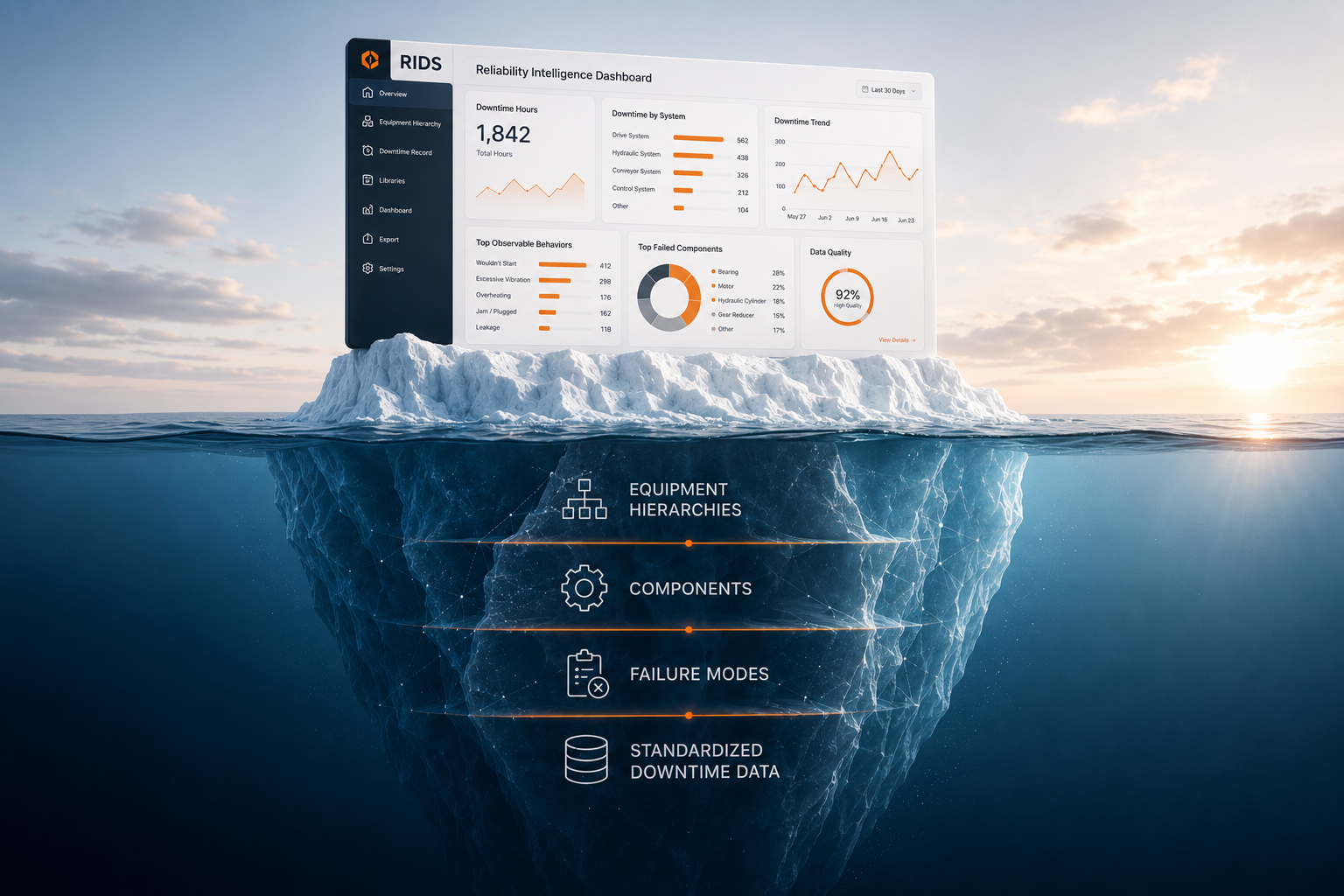
Why Most Reliability Dashboards Fail
Dashboards don't fail because of the software. They fail because inconsistent downtime data creates unreliable insights. Learn why standardized data is the foundation of reliability intelligence.